Bahasa Melayu
  English (UK)
  简体中文
简体中文 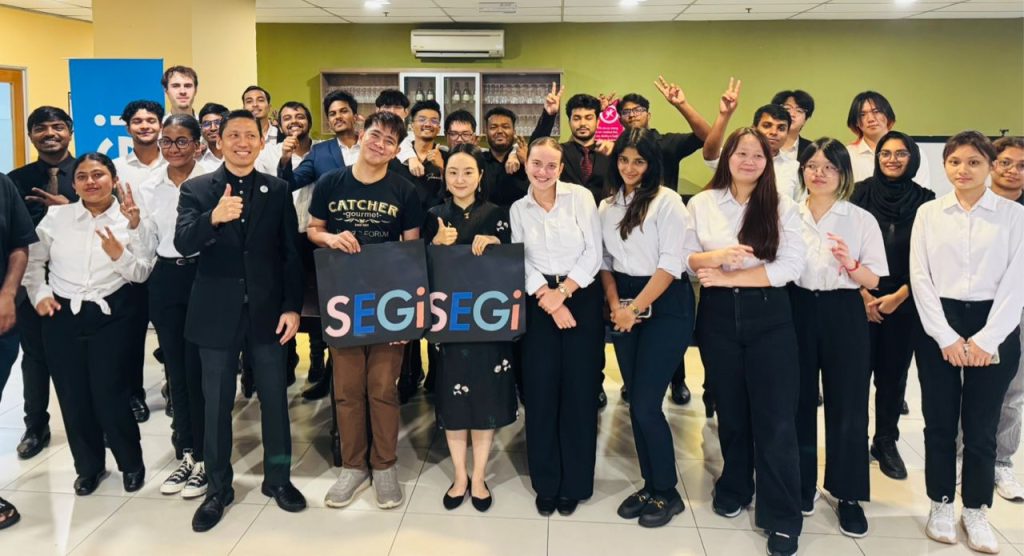
Pusat Pengajian Pengurusan Hospitaliti dan Pelancongan (SoHTM) Universiti SEGi baru-baru ini menjalankan projek Industri-ke-Bilik Darjah yang direka untuk mendedahkan pelajar kepada piawaian penyediaan minuman dunia sebenar, trend pasaran semasa dan aplikasi produk yang mampan.
Disokong oleh Catcher Gourmet, bengkel itu tertumpu pada pembangunan resipi mocktail inovatif yang menggabungkan sirap dan sos tandatangan jenama sambil menekankan prinsip kesihatan dan kesejahteraan serta kelestarian alam sekitar.
Sesi dimulakan dengan segmen perkongsian yang menarik dan bermaklumat yang diketuai oleh Encik Ryan Junio, Pengurus Jenama dan Inovator Minuman daripada Catcher Gourmet. Sebagai pakar industri, Encik Junio memperkenalkan pelajar kepada konsep asas mixology, menawarkan pandangan akademik ke dalam kedua-dua dimensi artistik dan saintifik penciptaan minuman.
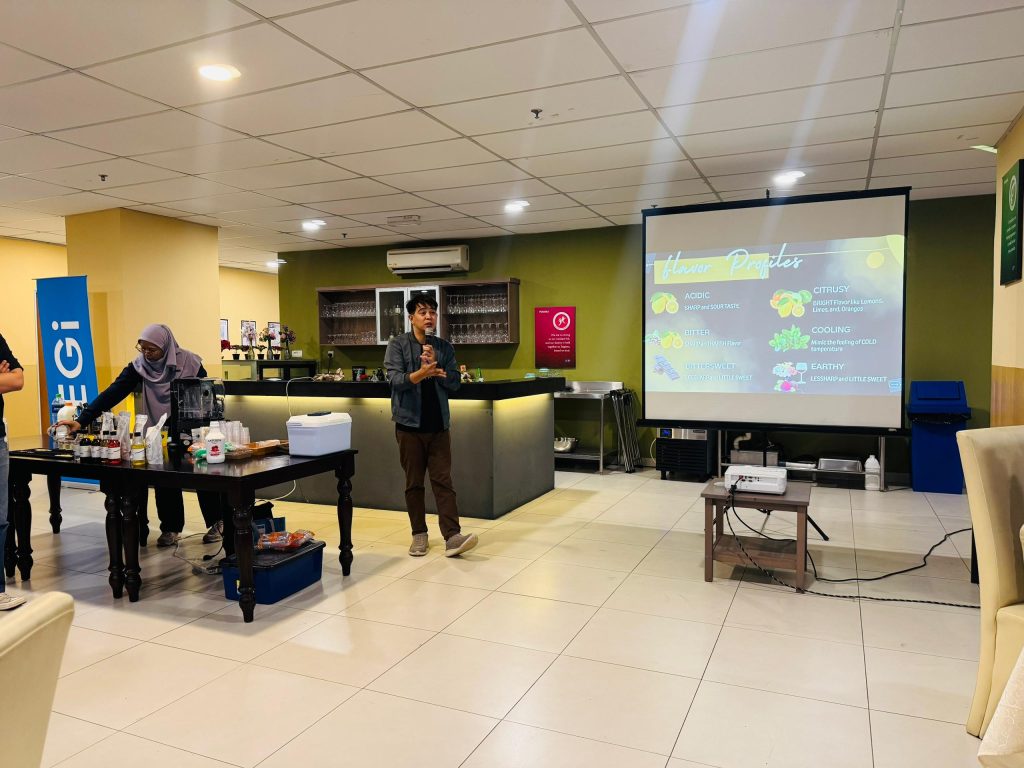
Beliau menghuraikan perbezaan antara rasa dan rasa, menerangkan cara persepsi deria, keseimbangan ramuan dan profil aroma secara kolektif membentuk minuman yang dirumus dengan baik. Selain itu, beliau menyerlahkan elemen penting yang menyumbang kepada mocktail atau koktel berkualiti tinggi, yang merangkumi tekstur, kawalan suhu, lapisan perisa dan persembahan visual.
Berikutan pengenalan konseptual, bengkel ini bertukar menjadi demonstrasi langsung penyediaan mocktail. En. Junio mempamerkan teknik campuran profesional menggunakan barisan produk premium Catcher Gourmet, menunjukkan cara pemanis semula jadi, sirap berasaskan buah-buahan dan sos artisanal boleh digandingkan untuk mencapai profil rasa yang kompleks lagi harmoni. Pelajar telah dijemput untuk mencuba pelbagai prototaip mocktail, membolehkan mereka mengalami perbezaan deria merentas minuman dengan nisbah, ramuan dan kaedah penyediaan yang berbeza-beza.
Komponen akademik utama peringkat ini terlibat penilaian deria, di mana pelajar digalakkan untuk menyatakan maklum balas yang membina berdasarkan pemahaman mereka tentang rasa, aroma, rasa mulut, dan rasa selepas itu. Latihan ini bukan sahaja meningkatkan kemahiran menilai mereka tetapi juga mengukuhkan kepentingan amalan reflektif dalam pembangunan kulinari.
Segmen akhir bengkel dipaparkan pembentangan pelajar, di mana peserta memperkenalkan ciptaan mocktail asal mereka sendiri. Setiap kumpulan menggunakan prinsip yang dikongsi oleh En. Junio, memfokuskan pada pemilihan ramuan yang mementingkan kesihatan dan sumber yang mampan. Banyak rumusan gula terkurang yang digabungkan, penambah rasa semula jadi dan hiasan mesra alam.
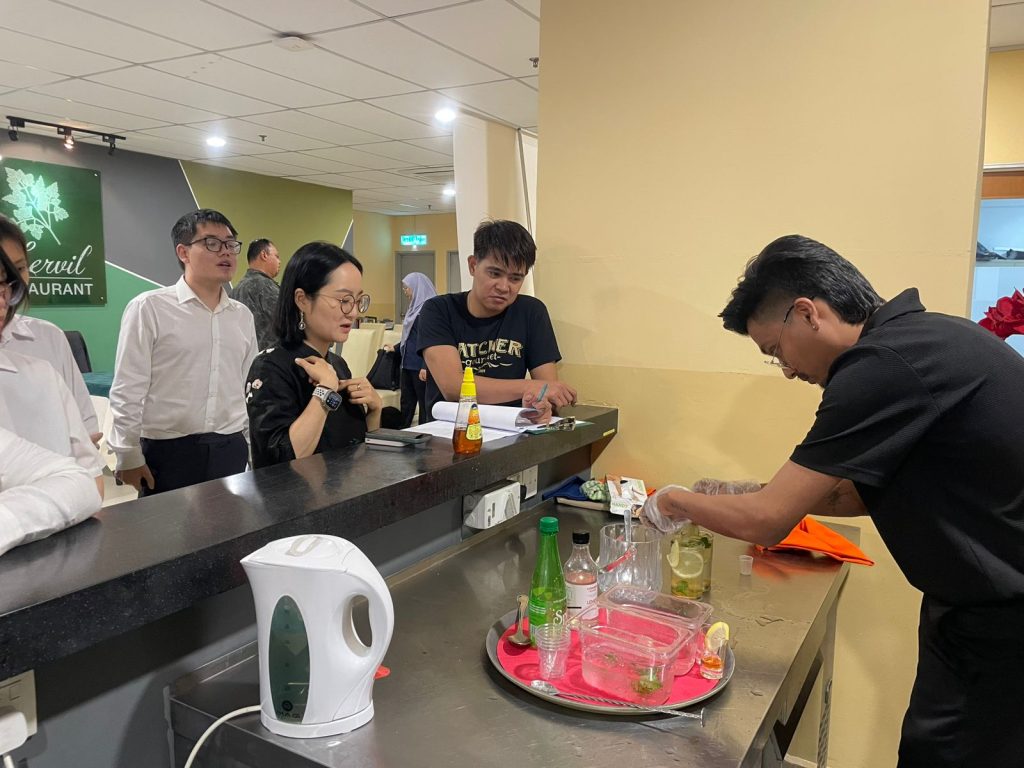
Pelajar menyampaikan rasional reka bentuk mereka, teknik penyediaan, dan jangkaan daya tarikan pengguna, menunjukkan kecekapan akademik dan kreativiti. Wakil industri dan ahli fakulti memberikan maklum balas untuk menyokong peningkatan berterusan dan kesediaan profesional.
Secara keseluruhannya, projek Industri ke dalam Bilik Darjah menawarkan pelajar peluang yang bermakna untuk menyepadukan pengetahuan teori dengan pengalaman praktikal di bawah bimbingan pengamal industri yang dihormati. Kerjasama dengan Catcher Gourmet bukan sahaja memperkayakan persekitaran pembelajaran tetapi juga mengukuhkan kecekapan pelajar dalam inovasi minuman, amalan kelestarian dan pembangunan produk berpusatkan pelanggan.
Inisiatif sedemikian terus sejajar dengan komitmen institusi untuk merapatkan pembelajaran akademik dengan piawaian industri kontemporari, menyediakan pelajar untuk kerjaya masa depan dalam sektor makanan dan minuman yang dinamik.